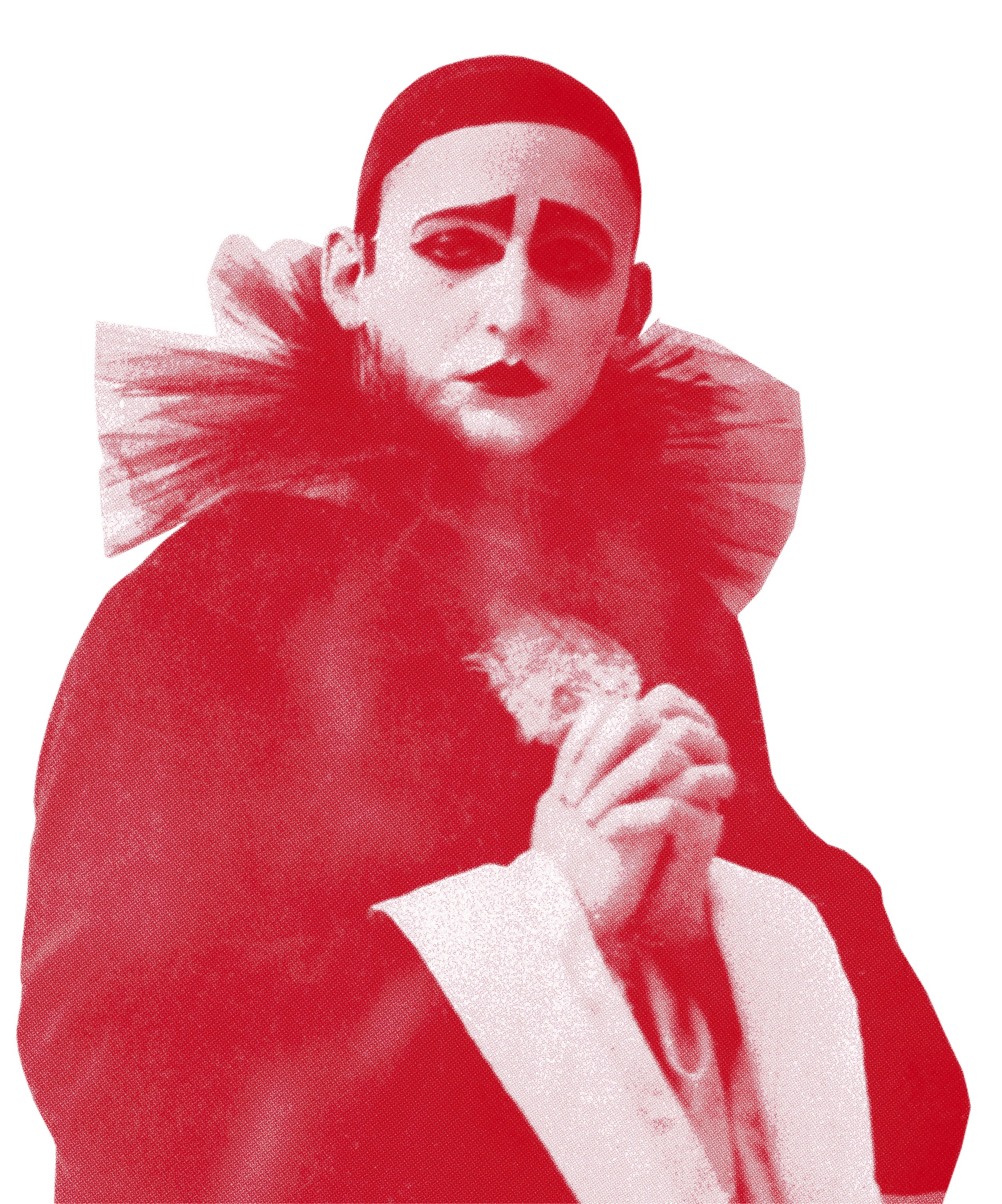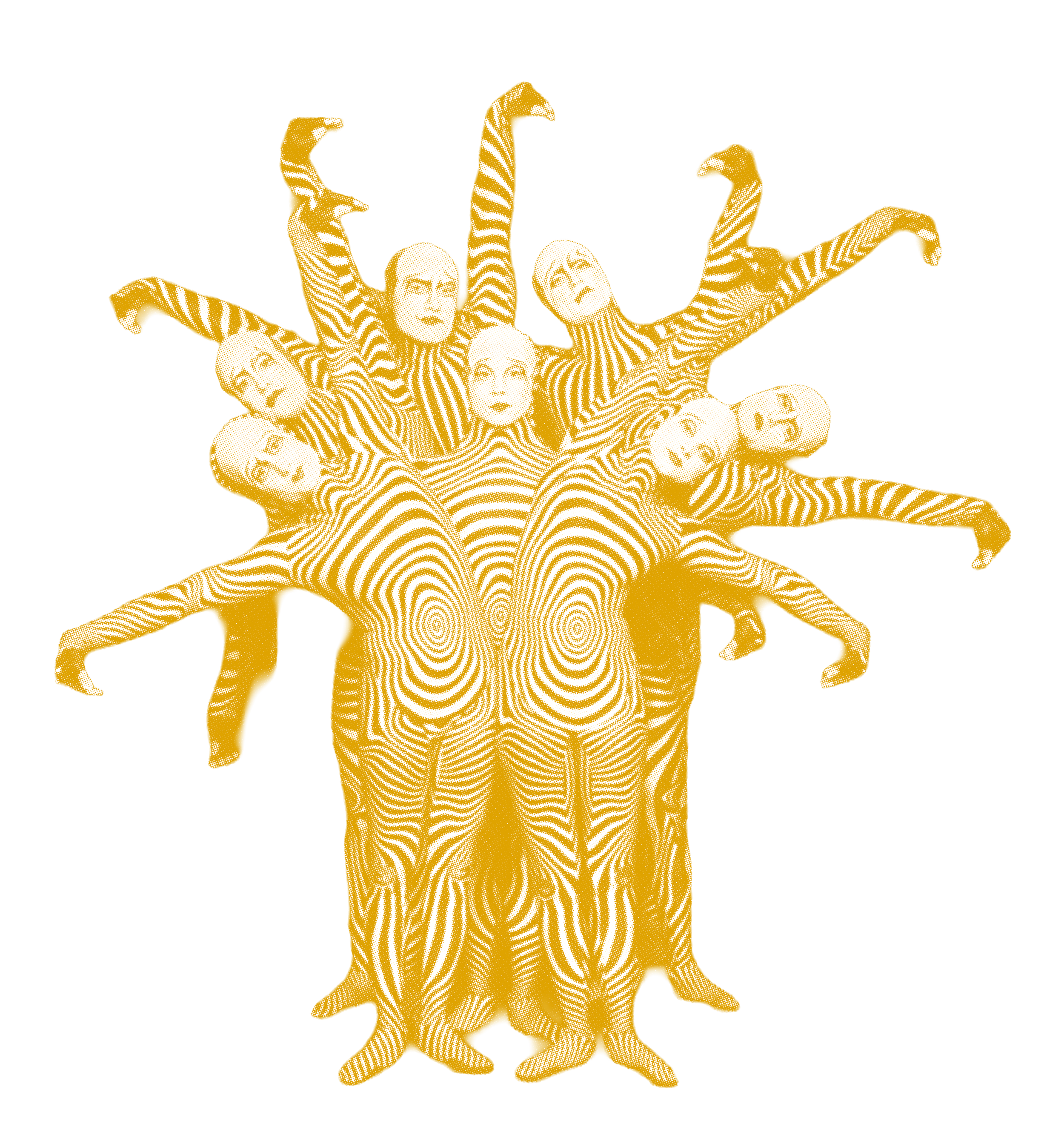
The Avant Garde Circus

:D

The Avant Garde Circus :D

Editorial
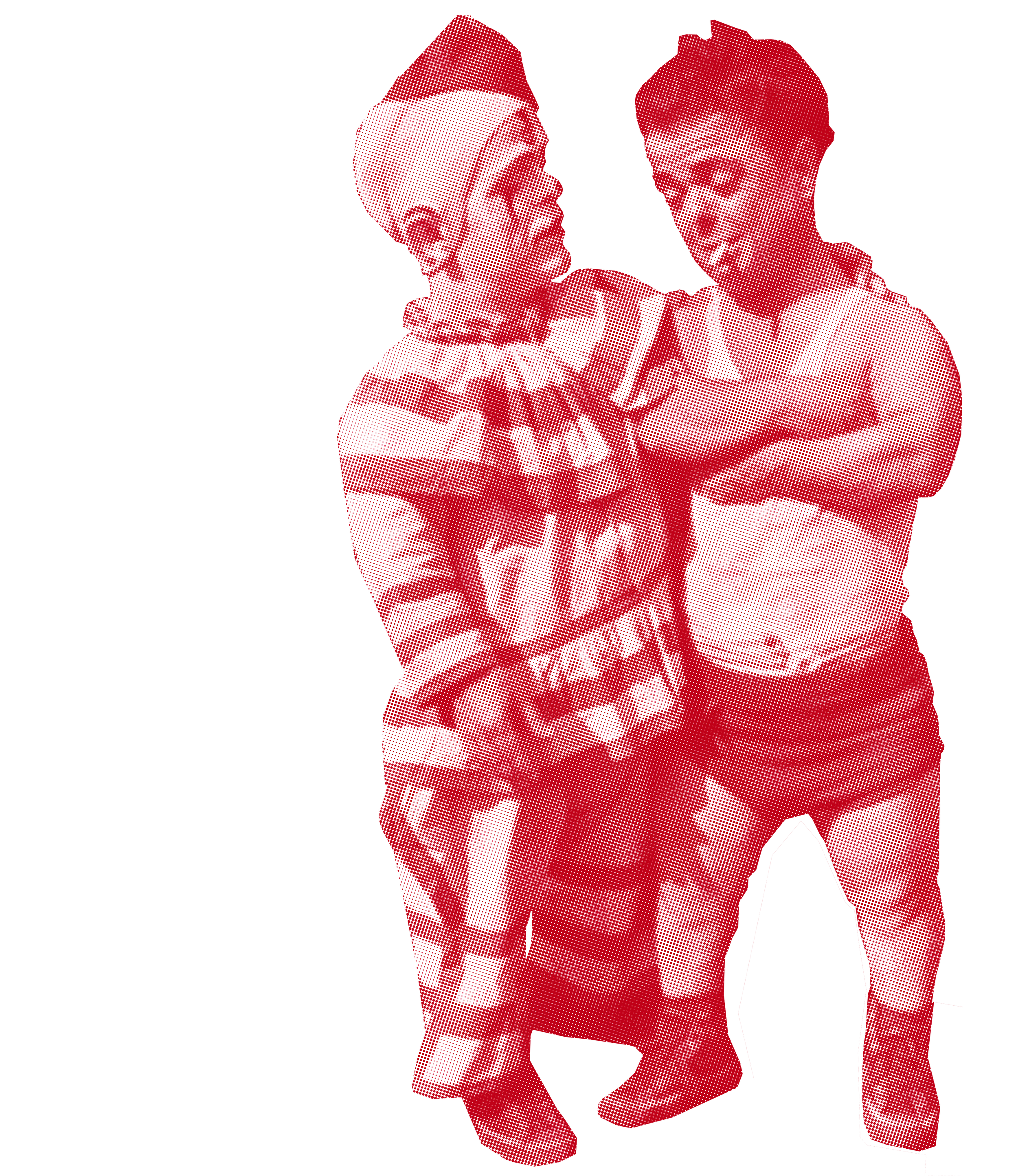
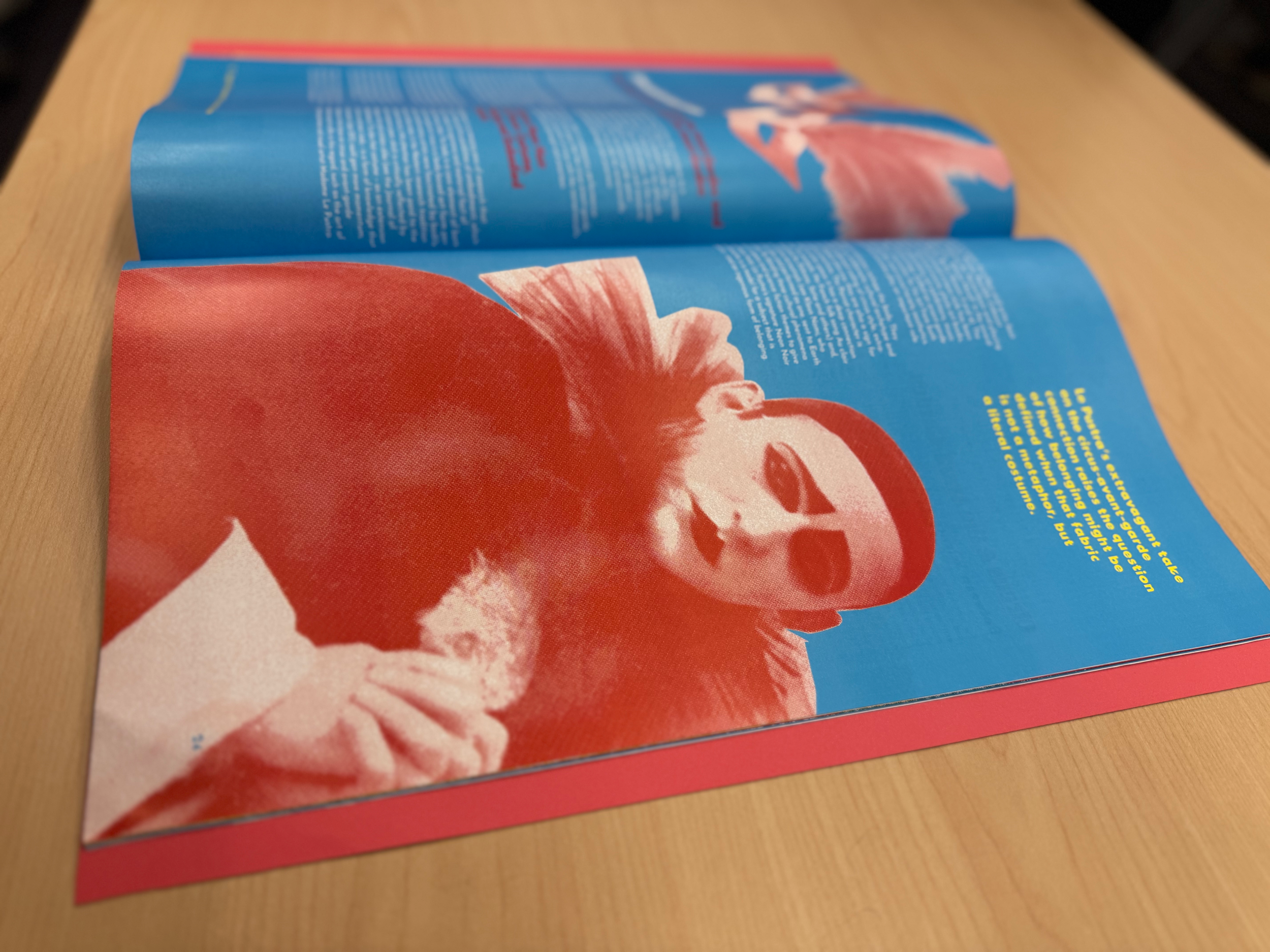
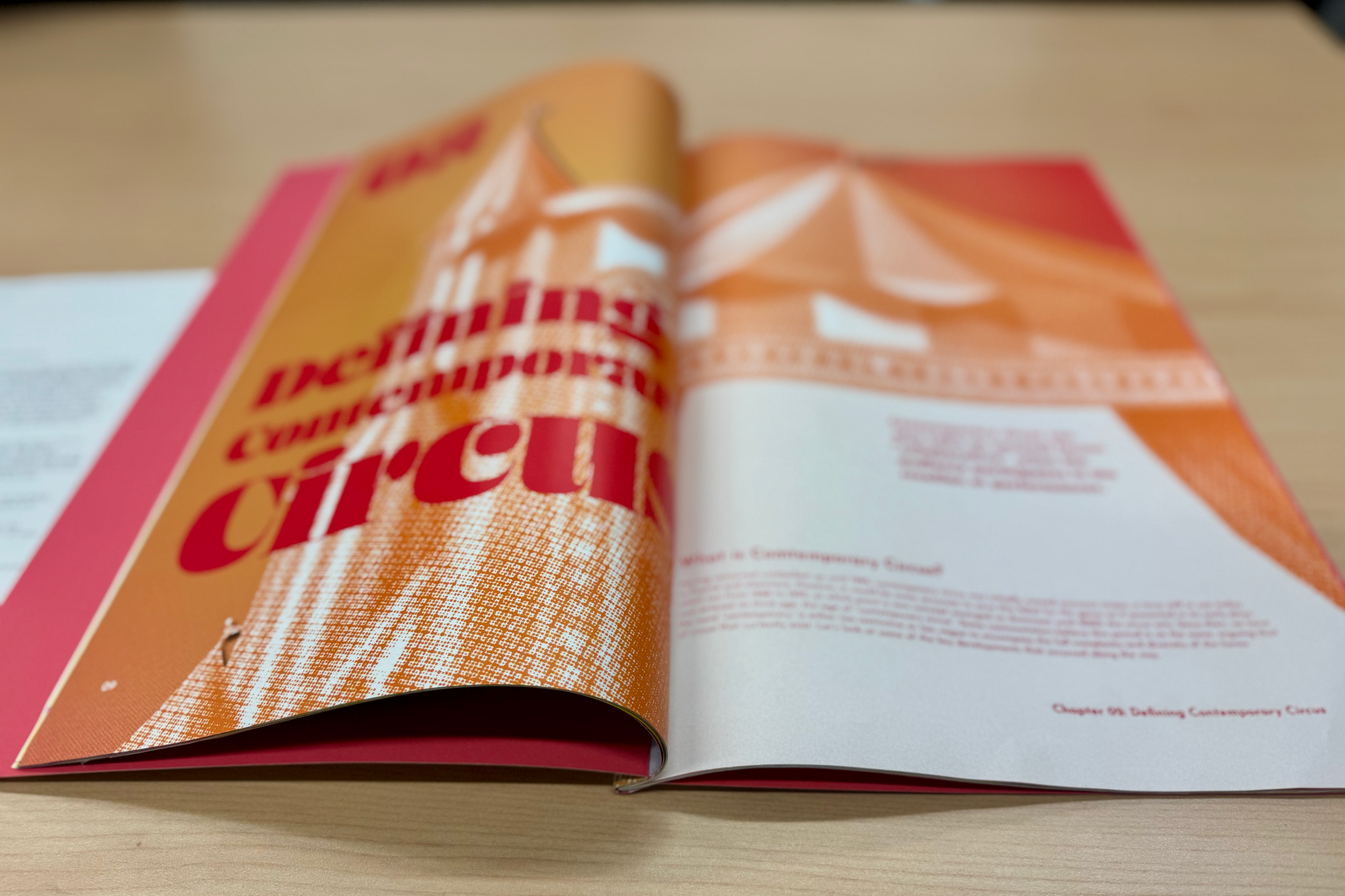
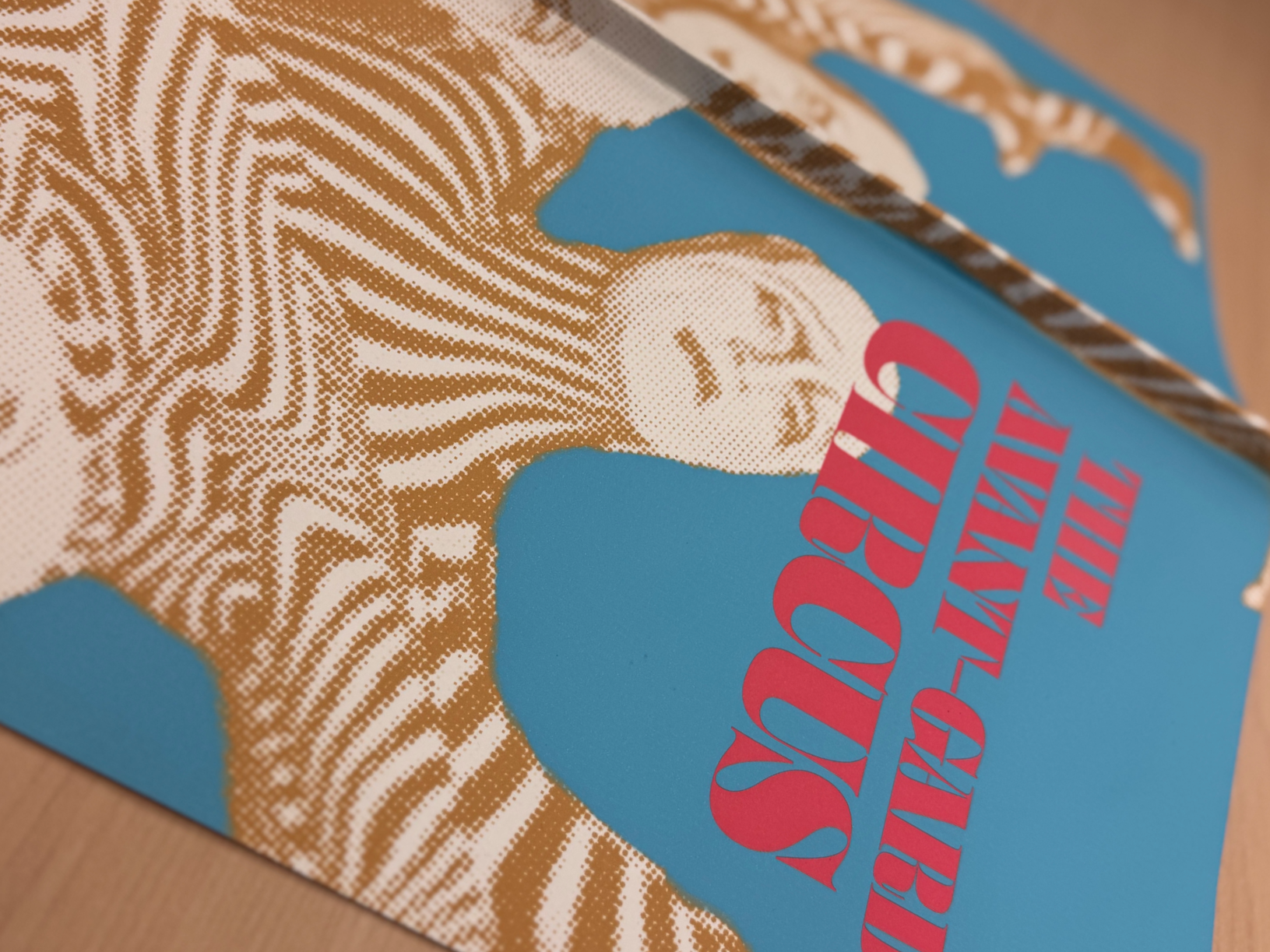
This editorial design project, The Avant Garde Circus is a visual and intellectual journey that reframes the contemporary circus as a vital, radical art form. It confronts the cultural memory of the circus as nostalgic, child-centered entertainment and meticulously traces its reclamation as a sophisticated crucible for artistic innovation and social critique. Through a curated fusion of archival research, critical essay, and avant-garde aesthetics, the editorial argues that the modern circus is where the body becomes manifesto, and the spectacle becomes a dialogue.
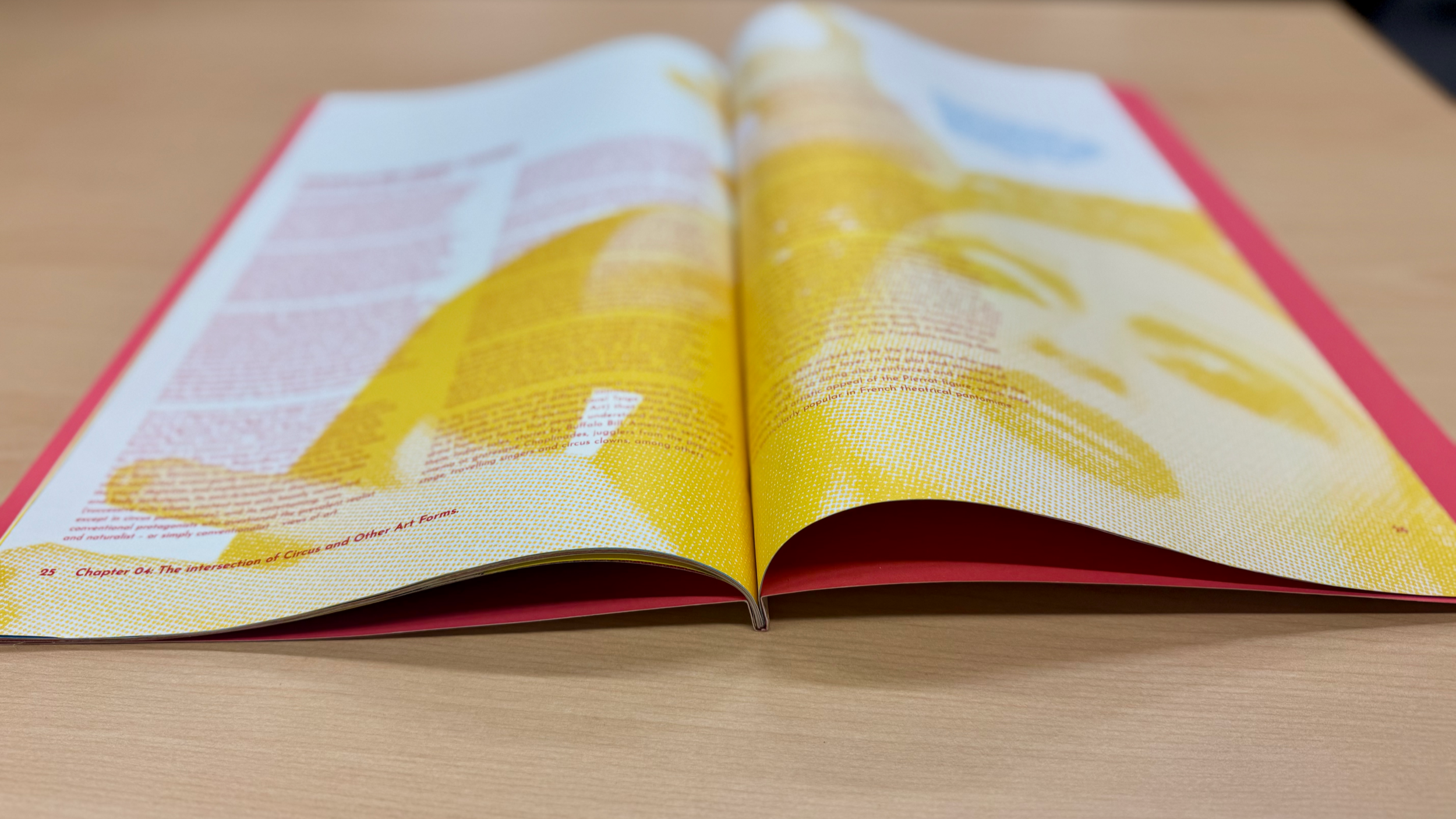
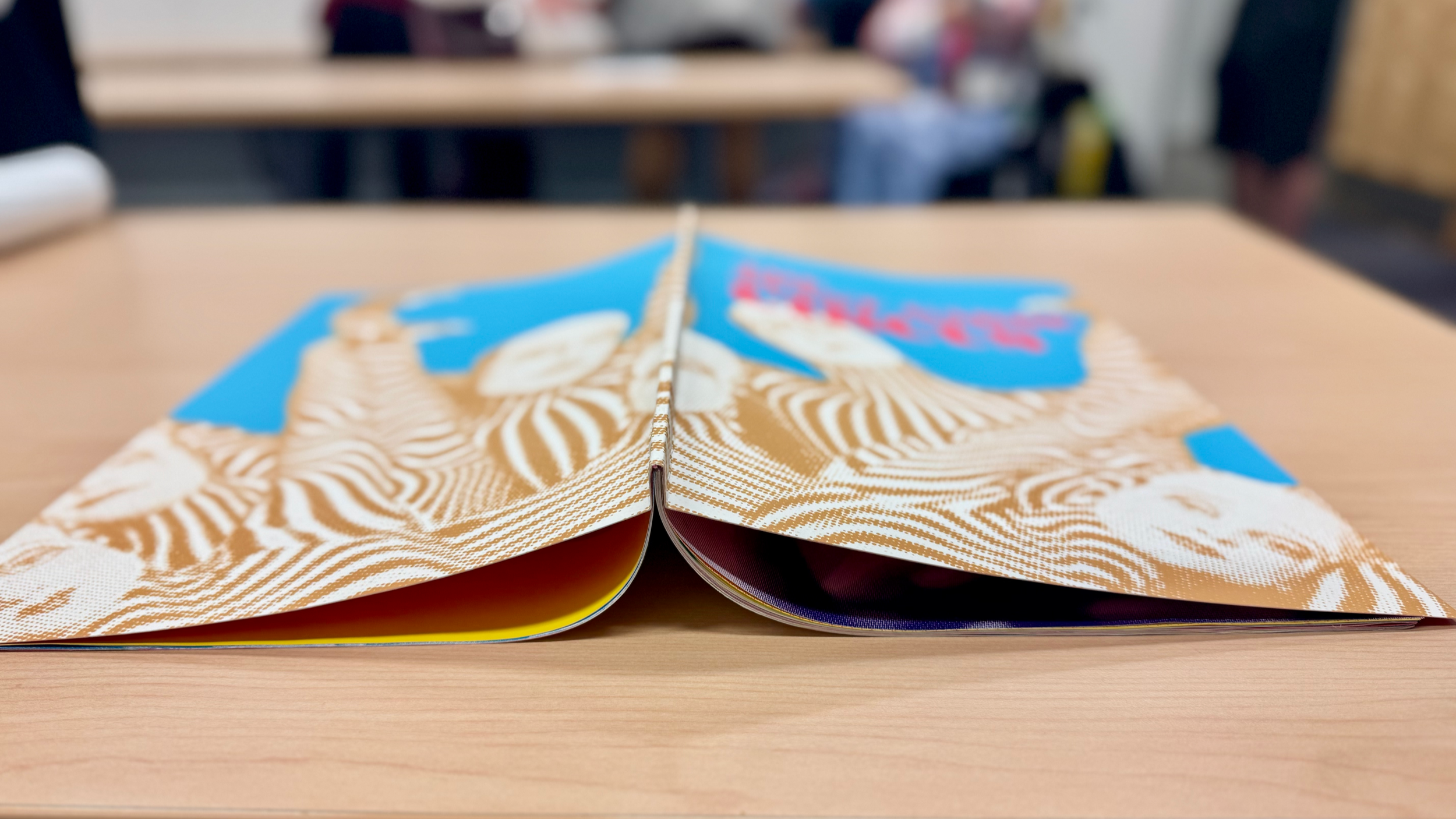
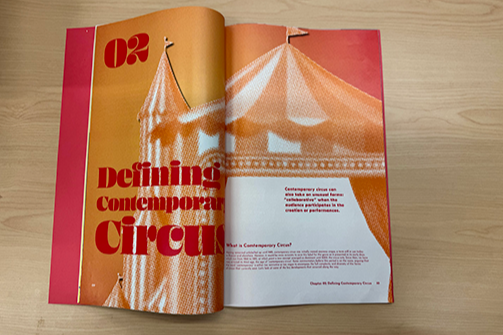
The publication operates on a core duality, mirroring the circus’s own nature. It is both a historical excavation and a contemporary manifesto. It posits that the circus has always been society's funhouse mirror—a sanctioned space where the marginalized ascend and the impossible is made visceral. The project charts this evolution from its early 20th-century roots in Futurist chaos, Eisenstein’s montage of physical poetry, and Cocteau’s existential clowns, to its explosive modern reincarnations, such as Le Pustra’s Neon Noir Sci-Fi Pierrot, which synthesizes Weimar decadence, cyberpunk, and queer spectacle into a new paradigm.


The primary design challenge was to visually embody the tension at the heart of the contemporary circus: the clash between institutional legitimacy (state funding, formal academies) and anarchic, rule-breaking energy. This is resolved through a deliberate visual conflict:

  • Structure vs. Chaos: A rigorous, clean grid system (representing institution) is consistently disrupted by dynamic, off-kilter layouts, explosive typography, and imagery that bleeds and fractures.

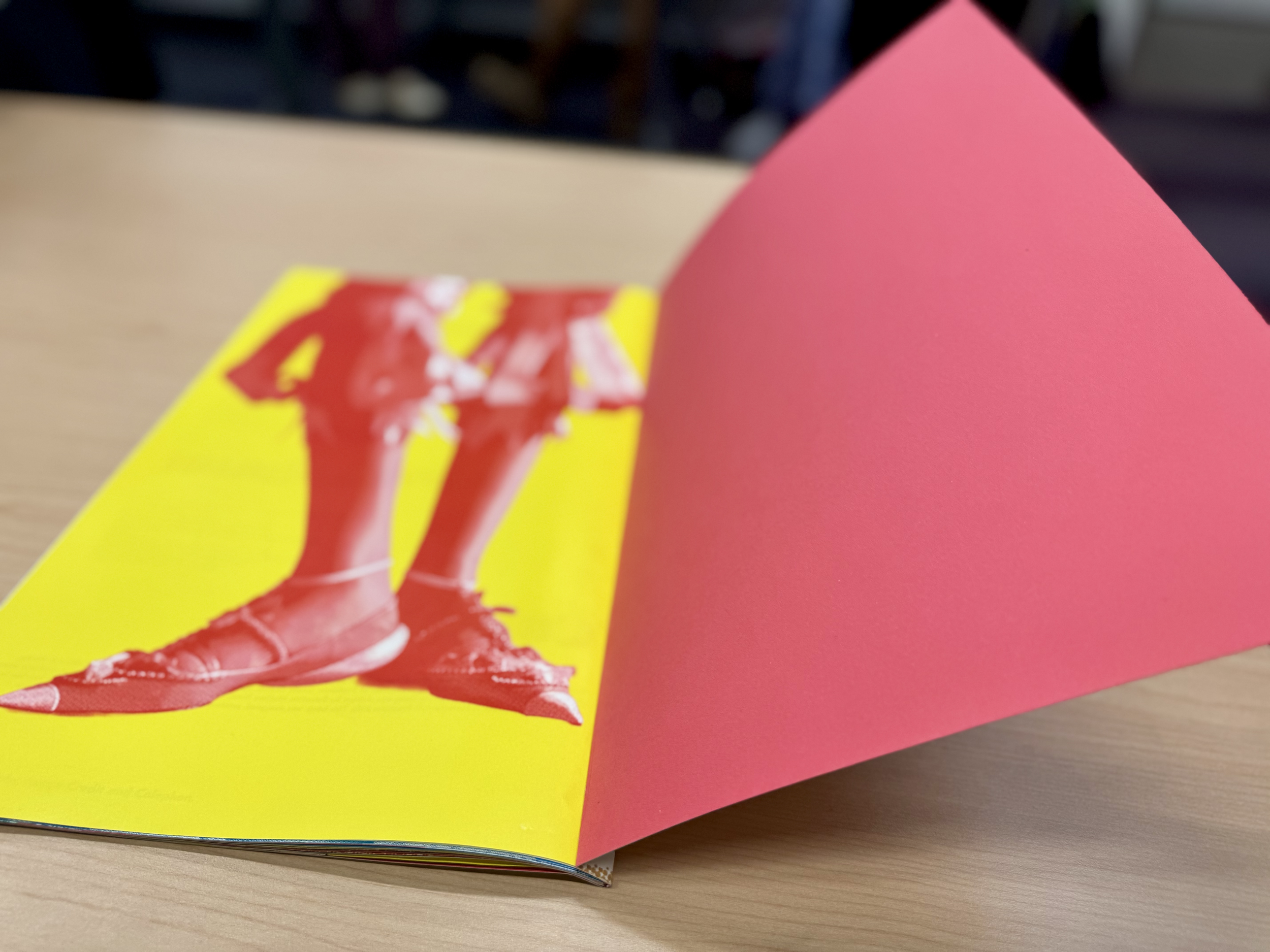
  • Archival vs. Contemporary: Period photographs (Futurist manifestos, vintage posters) are treated with a patina of age but are placed in direct conversation with vibrant, high-contrast photography of modern performances, creating a visual lineage.

  • The Body as Text: Typography and imagery treat the performer's body as the central text. Silhouettes are used as framing devices, and aerialists’ lines disrupt textual columns, making the argument physically felt on the page.

Avant Garde Circus Editorial

Explore the Circus

Step right up to the revolution under the big top.

Previous
Previous

conference

Next
Next

NCPF